Holiday cash: managing the peak and the hangover
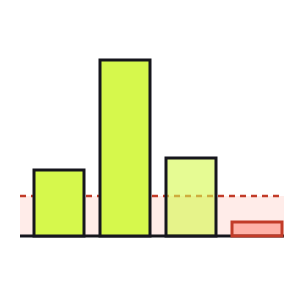
Everyone plans the peak. Stock is ordered, staff are hired, marketing is booked. Almost nobody plans the six weeks afterwards, which is where the actual risk sits.
The pattern is consistent: December looks fantastic, January is quiet but survivable, and February is when the supplier invoices, the returns, the card processing reserves and the quarterly tax all arrive against a month of almost no sales.
The arc, not the peak
| Nov | Dec | Jan | Feb | |
|---|---|---|---|---|
| Revenue | $186,000 | $412,000 | $96,000 | $74,000 |
| Supplier payments | $164,000 | $142,000 | $198,000 | $88,000 |
| Returns and refunds | — | $18,000 | $46,000 | $12,000 |
| Closing cash | $74,000 | $268,000 | $96,000 | $14,000 |
December ends with $268,000 in the bank, which feels like a triumph and is the most dangerous moment of the year — because most of it is already committed.
What the December balance is actually promised to
- Supplier invoices on terms. Stock bought in September and October on net 60 comes due in the new year, after the selling has stopped.
- Returns. For consumer businesses, January returns of 8–15% of December sales are normal, and they are cash going back out against revenue you already counted.
- Gift cards. The cash arrived in December but the revenue has not been earned. You owe product, and the cost of delivering it lands later.
- Processor reserves. Some providers hold back a larger reserve during a volume spike, releasing it weeks later.
- The Q4 tax payment. A profitable holiday means a larger estimated payment in January.
Plan the trough in October
The whole exercise is one number: what is the lowest cash balance between now and the end of February, and in which week does it happen? Everything else follows from it.
Build the forecast through February rather than to year end — a 13-week window built in November reaches the second half of February, which is precisely why the horizon matters. A forecast that stops on December 31 shows you the good half of the arc and hides the part that needs managing.
December close
$268k
mostly already committed
February trough
$14k
the number that matters
Your floor
$40k
breached in week 7
Free · no account · no card
Get your 2027 budget built from your QuickBooks — P&L, balance sheet and cash flow, in Excel.
Do not mistake the peak for profit
The most expensive holiday mistake is treating a big December balance as earnings. It is the top of a cycle, not a result, and the distributions, bonuses and reinvestment decisions made on the strength of it are what turn a tight February into a crisis.
Wait until the season has fully unwound — usually late February — before deciding what it earned. That is the point at which returns are settled, suppliers are paid, and the number is real.
Then write down what the season taught you
In the first week of March, while it is fresh, record three things: what you actually sold against what you bought, what the return rate turned out to be, and how far the trough fell against your forecast.
Those three numbers are worth more than anything else you will write down all year, because next September you will be making the same buying decision with nothing else to go on. Most businesses repeat their over-buy several years running purely because nobody recorded the answer.
Need your financials for a lender, a buyer or your accountant? Get the free financials pack →
See what an AI CFO says about your own numbers.
$99/mo, everything included. Free for 14 days, no card.